
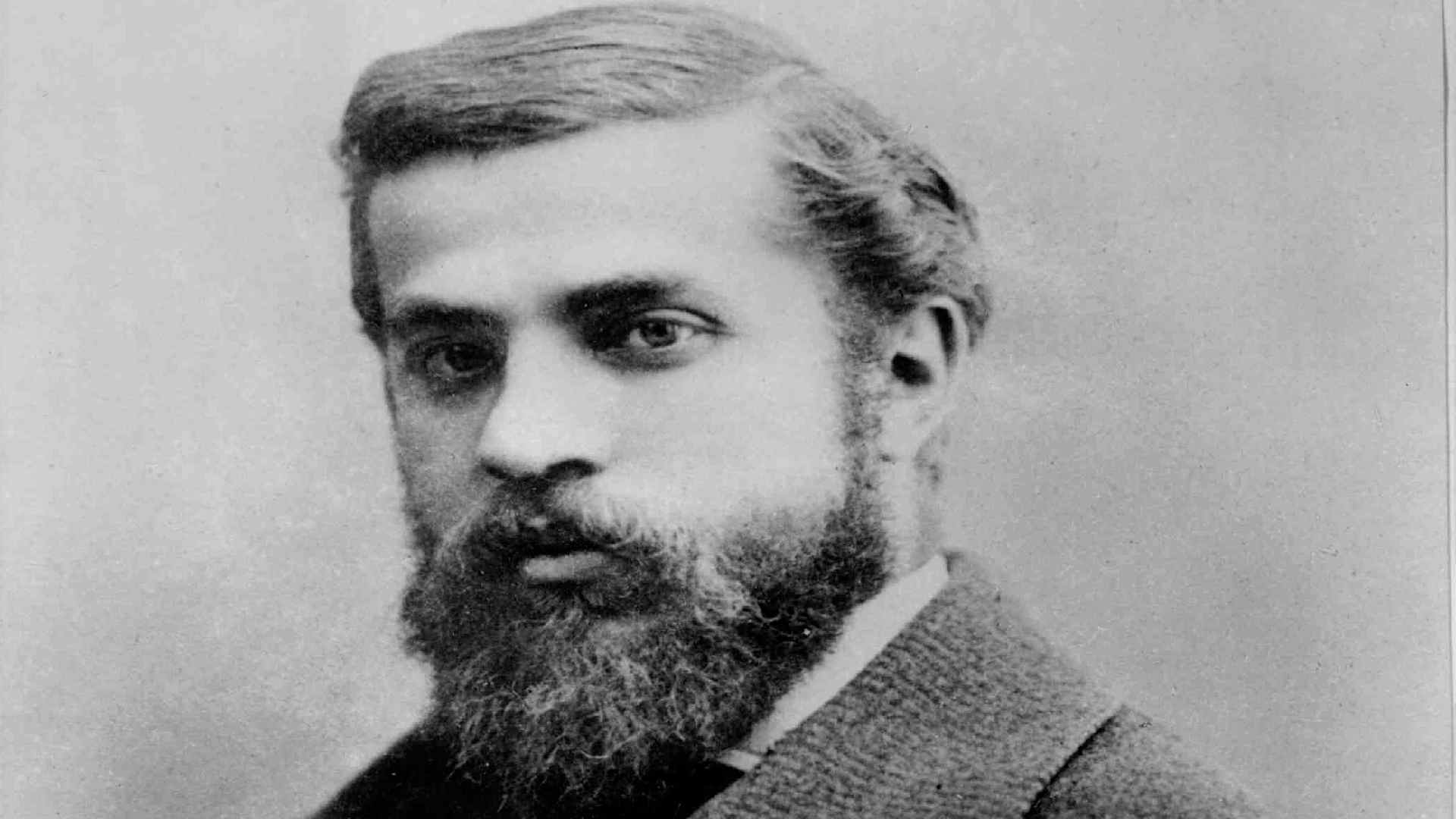
Antoni Gaudí was born on June 25, 1852, in the town of Reus, Spain. His family had a background in metalworking, which provided him with an early appreciation for craftsmanship and design. Growing up in a region characterized by its natural beauty, Gaudí developed a profound fascination with the forms and structures found in nature. This early exposure to the natural environment profoundly influenced his later architectural works, as he often sought to mimic these organic structures in his designs.
In pursuit of his architectural ambitions, Gaudí enrolled at the Escola Tècnica Superior d’Arquitectura in Barcelona in 1873. His time at this esteemed institution was crucial in shaping his approach to architecture. He was known as a meticulous student, although his unconventional ideas often set him apart from his peers. He graduated in 1878, and by that time, he had already begun to develop a unique architectural vision that reflected both his technical skills and his strong affinity for nature.
Throughout his educational experience, Gaudí was mentored by several influential figures who encouraged his innovative thinking. Notably, the architect Francisco de Paula del Villar was an important early influence, guiding him in understanding the principles of modernist architecture. Additionally, exposure to various artistic movements and philosophies, including the Gothic and Baroque styles that permeated Spain, equipped Gaudí with a diverse palette of architectural ideas.
These formative years in Gaudí’s life laid the groundwork for his subsequent works, which are celebrated for their originality and their deep connection to nature. As he began his career, he would go on to integrate these early experiences into his distinct architectural language, making him one of the most notable figures in the history of architecture.
Architectural Style and Influences
Antoni Gaudí is renowned for his unique architectural style, which stands apart from traditional design through its organic shapes, vibrant colors, and innovative use of materials. His work embodies the essence of modernisme, a movement in Catalonia that sought to dissolve the rigid aesthetics of earlier architectural styles. Rather than adhering to conventional lines and forms, Gaudí embraced fluidity and asymmetry, creating structures that mimic the fluidity found in nature.
Nature significantly influenced Gaudí’s designs. He believed that architecture should harmonize with its surroundings, often incorporating elements that reflect organic forms. His fascination with nature can be seen in the intricate patterns and textures that adorn his buildings, from the bark-like facades of the Casa Batlló to the undulating forms of the Park Güell. These designs are not merely aesthetic; they also serve a practical purpose, allowing for natural ventilation and innovative structural stability.
Religious themes play a crucial role in Gaudí’s works, particularly evident in his magnum opus, the Sagrada Família. This basilica is a testament to his devout Catholic faith, featuring intricate sculptures and symbols that convey spiritual narratives. Gaudí seamlessly intertwined his religious convictions with the architectural elements, resulting in a structure that transcends mere functionality to become a work of art imbued with profound meaning.
Additionally, Gaudí drew inspiration from Catalan culture, integrating local crafts into his designs. The use of vibrant tiles, ceramic mosaics, and wrought ironwork reflects the rich artistic traditions of the region. By marrying these elements with modernist and Gothic influences, he created an oeuvre that feels both timeless and innovative. His unique architectural language continues to resonate, influencing generations of architects and artists worldwide. Through Gaudí’s visionary approach to architecture, he not only redefined the built environment but also left an indelible mark on the cultural heritage of Catalonia and beyond.
Major Works and Achievements
Antoni Gaudí, a seminal figure in the world of architecture, is best known for his distinctive and revolutionary style, which seamlessly fused natural forms with artistic complexity. His most famous creation, the Sagrada Família, remains a breathtaking symbol of his ingenuity. Construction commenced in 1882 and continues to this day, driven by a vision that combines Gothic and Art Nouveau styles. The basilica is renowned for its intricate facades and towering spires, exemplifying Gaudí’s innovative approach to structure and space.
Another hallmark of Gaudí’s works is Park Güell, a public park in Barcelona that epitomizes his use of vibrant colors and organic shapes. Designed between 1900 and 1914, the park is characterized by its mosaic-tiled structures and organically shaped benches, all integrating harmoniously with the landscape. This convergence of architecture and nature reflects Gaudí’s philosophy of creating spaces that mirror the natural world.
Casa Batlló, built in 1904, showcases Gaudí’s mastery of form and texture. The building features a facade adorned with a mosaic of broken ceramic tiles and undulating forms that evoke the natural environment. Its interior is equally remarkable, demonstrating an expert manipulation of light and space. Casa Batlló is a testament to Gaudí’s ability to breathe life into his architectural designs, leaving a lasting impression on all who visit.
Lastly, Casa Milà, also known as La Pedrera, was completed in 1912 and stands as an iconic representation of Gaudí’s architectural prowess. Its wavy stone facade and wrought-iron balconies exhibit an innovative approach to constructing apartments. The building’s rooftop offers surreal chimneys that are both functional and visually striking, illustrating Gaudí’s commitment to blending utility with aesthetics.
Philosophy and Faith
Antoni Gaudí’s work is deeply intertwined with his personal philosophy and spiritual beliefs. Raised in a devout Catholic family, Gaudí’s faith was a cornerstone of his existence, shaping not only his worldview but also his artistic output. Throughout his life, he engaged with themes of spirituality, nature, and the divine, which became central to his architectural philosophy. His commitment to his faith was particularly evident in his magnum opus, the Sagrada Família, a project he dedicated to God and which he viewed as a masterpiece that would exemplify his religious devotion.
Gaudí once remarked that his architecture should “express not the human, but the divine,” which encapsulates his desire to connect the terrestrial with the celestial. This philosophy is readily apparent in the Sagrada Família, where every element—from the intricate facades to the carefully designed interiors—invites contemplation and reflection. The use of natural forms and symbols, derived from his observation of the world around him, served to illustrate his belief that nature itself is a manifestation of God’s creation. By incorporating aspects of the natural world into his designs, Gaudí sought to reveal deeper spiritual truths and create spaces for worship and meditation.
The melding of faith and philosophy in Gaudí’s work transcends mere aesthetics; it molds the very experience of his architecture. Visitors to the Sagrada Família often describe a sense of serenity and inspiration within its walls, a testament to how Gaudí’s spiritual inclinations have been seamlessly integrated into the fabric of his work. As a result, his legacy is not only evident in the breathtaking beauty of his creations but also in the profound spiritual experiences they facilitate. Gaudí’s unique vision continues to inspire generations, reminding us of the enduring power of faith and imagination in the realm of art and architecture.
Later Years and Personal Life
In the later years of his life, Antoni Gaudí’s dedication to the Sagrada Família became all-consuming. His work on this monumental basilica started in 1882, and by the end of his life, it had transformed into his primary focus, reflecting his deep spirituality and singular vision of architecture. Gaudí believed that construction should harmonize with nature, and his design for the Sagrada Família showcased this principle through its extraordinary forms and organic structures. As time progressed, his commitment intensified, often leading him to work in isolation in his workshop, dedicating as much time as possible to his magnum opus.
Despite his remarkable career, Gaudí faced various personal challenges. His obsession with his work often resulted in a solitary lifestyle, where relationships took a backseat to his architectural pursuits. Friends noted that Gaudí had become increasingly withdrawn, spending long hours at the site of his projects. His friendships with colleagues and patrons were meaningful but became scarce as his work consumed his daily life. Nevertheless, these relationships provided him with valuable insights and occasionally brought joy in his otherwise reclusive existence.
Moreover, Gaudí’s lifestyle was distinctive and reflected his unique philosophy. He was known for providing himself with minimal comforts, often wearing simple, unassuming clothes. His diet consisted mainly of vegetarian food, aligning with his beliefs about nature and harmony. Although he rarely engaged in social gatherings, those who knew him appreciated his distinctive personality and saw him as an idiosyncratic genius. Gaudí’s later years marked not only a period of artistic flourishing but also highlighted the personal sacrifices he made for his craft. This complexity of his lifestyle ultimately contributed to the legacy he left behind, intertwining his personal challenges and fervent passion for architecture.
Accident and Death
Antoni Gaudí, the visionary architect known for his unique and innovative designs, met with a tragic end on June 10, 1926, when he was struck by a tram in Barcelona. At the time, he was immersed in his life’s greatest work, the unfinished basilica known as the Sagrada Família. This incident not only marked the end of his life but also imbued a sense of tragedy over his ongoing projects, leaving many to ponder what further masterpieces he might have created had he lived longer.
The circumstances surrounding Gaudí’s death reveal a somber narrative. Reports indicate that the architect was not immediately recognized following the accident and was taken to a hospital where he received inadequate medical attention due to his shabby clothing—marks of his devout lifestyle and commitment to his work over personal appearance. This misrecognition heightened the public’s awareness of his unconventional life choices, further adding to the mythos that surrounds his legacy. Gaudí’s passing elicited significant public reactions; his funeral drew an abundance of mourners who paid tribute to the architect whose works had dramatically redefined the architectural landscape.
In the wake of his untimely death, the impact on his completed and unfinished projects was profound. The Sagrada Família, emblematic of his artistic genius, became a symbol of unfulfilled potential. Gaudí had envisioned a grandiose structure that would take generations to complete, and his death left a vacuum in the leadership needed to realize that vision. Consequently, the union of his passions, both personal and professional, continues to resonate, compelling architects and artists to draw inspiration from his life and work. The enduring fascination with Gaudí serves as a testament to his influence, an influence that remains palpable in both present-day architecture and culture.
Posthumous Recognition
Antoni Gaudí, the renowned Catalan architect, has seen a tremendous resurgence in appreciation and recognition following his untimely death in 1926. Initially met with skepticism and criticism, Gaudí’s unique architectural style, which is characterized by its bold forms, vibrant colors, and a profound connection to nature, has since been acknowledged as one of the most remarkable in architectural history. His visionary approach has influenced countless architects and designers worldwide, making a significant impact on modern architecture.
In the decades following his passing, numerous awards and honors have been conferred upon Gaudí’s works, cementing his legacy in the field. The most notable recognition has come from UNESCO, which designated several of his masterpieces, including the iconic Sagrada Família, as World Heritage Sites in 2005. This acknowledgment not only highlights the architectural significance of Gaudí’s designs but also emphasizes their cultural and historical value, promoting preservation efforts to maintain these extraordinary structures for future generations.
Additionally, the completion of the Sagrada Família has become a focal point of Gaudí’s enduring legacy. Though he began the construction in 1882, the basilica remains unfinished to this day. However, ongoing efforts have garnered renewed interest and investment, enabling the project to advance towards completion, which is projected for 2026, marking the centenary of Gaudí’s death. This undertaking is not merely a tribute to Gaudí’s genius, but it symbolizes the continued relevance of his architectural philosophy. The Sagrada Família continues to inspire architects and art enthusiasts globally, drawing millions of visitors each year, which serves to further elevate Gaudí’s status as one of history’s greatest architects.
Cultural Impact and Influence
Antoni Gaudí, the Catalan architect known for his unique, organic designs, has left an indelible mark on the field of architecture that extends far beyond his lifetime. His work is often characterized by the use of vibrant colors, intricate forms, and inspirations drawn from nature. This distinctive approach has served as a wellspring of inspiration for contemporary and modern architects, who frequently draw on his principles of design when conceptualizing new structures.
One of the most notable aspects of Gaudí’s influence can be observed in the rise of organic architecture, which emphasizes harmony between human habitation and the natural environment. His techniques of integrating natural elements into built spaces have inspired a generation of architects who prioritize sustainability and eco-friendly designs. For example, the fluid forms and mosaic-like aesthetics of Gaudí’s creations resonate in the works of architects such as Frank Gehry and Zaha Hadid, who similarly challenge conventional architectural norms.
Moreover, Gaudí’s contributions to Barcelona have elevated the city to an architectural landmark, drawing countless tourists and architecture enthusiasts from around the world. His masterpieces, particularly the Sagrada Família and Park Güell, serve as cultural symbols of Catalonia, reflecting its rich history and artistic heritage. The ongoing admiration for Gaudí’s work illustrates the profound connection between architecture and culture, showcasing how his creations encompass a sense of identity that extends to the global stage.
As cities continue to evolve and adapt, the principles that Gaudí championed remain remarkably relevant. His ability to blend artistic creativity with structural innovation continues to encourage architects to break boundaries and explore new realms of design. In this sense, Gaudí’s legacy lives on, inspiring future generations to create spaces that reflect their cultural narratives while championing sustainability and artistic expression.
Conclusion: Gaudí’s Lasting Legacy
Antoni Gaudí remains an indelible figure in the world of architecture, having left a profound influence that transcends time and geographical boundaries. His innovative approaches to structure, materials, and forms revolutionized architectural design in the late 19th and early 20th centuries. Gaudí’s work, characterized by a unique synthesis of Gothic and Art Nouveau styles, crafted an architectural language that captivated not only his contemporaries but also future generations.
His masterpieces, including the renowned Basilica de la Sagrada Familia, Casa Batlló, and Park Güell, exemplify his distinctive vision and dedication to nature’s intricate aesthetics. Gaudí’s philosophy of integrating natural shapes with religious symbolism can be seen in every curve and organic detail of his buildings. This harmonious amalgamation of art and nature was quite forward-thinking for his time, setting him apart from his peers and establishing him as a pioneer of modern architectural techniques.
Furthermore, Gaudí’s legacy is not confined to the realm of architecture alone; his influence extends into the broader fields of design and urban planning. His philosophies continue to inspire architects and artists globally, encouraging them to seek harmony with the environment and explore innovative design solutions. Through educational initiatives and ongoing conservation projects, such as the continued construction of Sagrada Familia, Gaudí’s lessons and artistry endure, reminding us of the importance of creativity, craftsmanship, and ecological responsibility.
In conclusion, the life and works of Antoni Gaudí signal a critical turning point in the evolution of architecture. His ability to marry form and function, along with his dedication to the natural world, ensures that his contributions remain relevant today. As we continue to appreciate and study Gaudí’s work, we foster a deeper understanding of the relationship between architecture and the human experience, cementing his role as a timeless icon in the field.